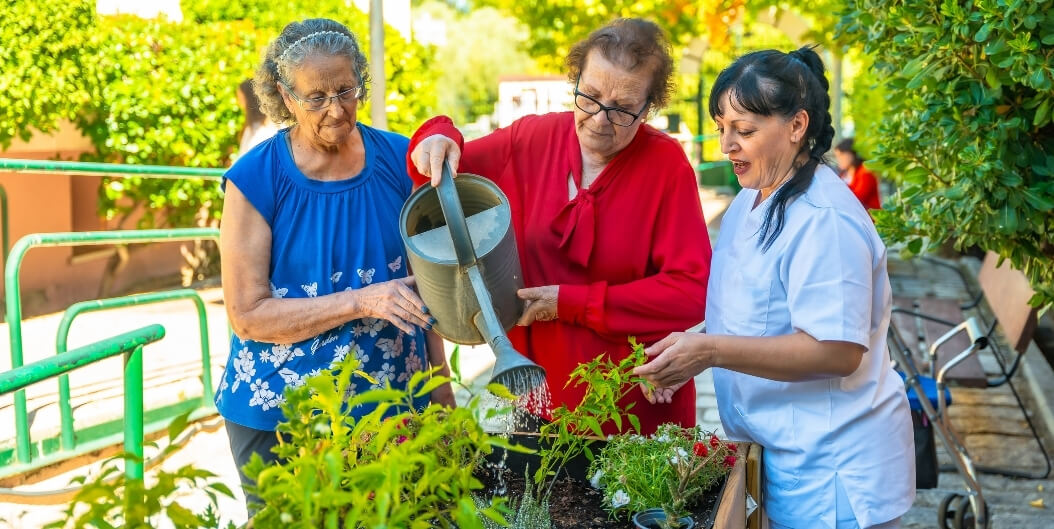
Importance of Gardening Programs in Assisted Living: Growing Health and Happiness
Gardening is more than a hobby; it’s a powerful tool for promoting health, happiness, and connection among seniors. In assisted living communities, gardening programs provide residents with meaningful activities that engage the mind, body, and spirit. From planting seeds to tending blooms, seniors experience a sense of accomplishment while enjoying physical activity, social interaction, and the calming effects of nature.
These programs support physical health, emotional well-being, and cognitive engagement, making them a valuable addition to daily life for seniors.
Why Gardening Matters for Seniors
Gardening stimulates multiple senses, including touch, sight, and smell, while encouraging gentle movement. Spending time outdoors provides fresh air and sunlight, which can boost vitamin D levels and support overall health. Simple tasks like watering, planting, and weeding offer moderate physical activity, helping seniors maintain mobility and strength without strenuous exercise.
Beyond the physical benefits, gardening nurtures emotional well-being. Residents experience a sense of purpose and accomplishment as they watch their plants grow. The act of tending a garden can reduce stress and anxiety, providing a peaceful, calming environment. Gardening is beneficial for seniors in assisted living, allowing everyone to enjoy the joys of nature and purposeful activity.
Physical Health Benefits of Gardening Programs
Gardening involves a variety of movements, including bending, reaching, lifting light tools, and walking. These activities help improve coordination, flexibility, and muscle strength. Regular engagement in garden tasks can reduce stiffness and support balance, lowering the risk of falls and promoting independence.
Even light gardening, such as walking to flower beds or stretching to prune plants, encourages blood circulation and increases heart rate appropriately. Spending time outdoors boosts oxygen intake and supports mood, creating a holistic wellness experience. Gardening can be adapted for all mobility levels, from raised beds to container gardening, ensuring accessibility for every resident.
Cognitive and Emotional Benefits of Gardening
Gardening provides a natural way to engage the mind. Planning a garden, sequencing tasks, and caring for plants require focus and problem-solving. Moreover, these activities offer structured, enjoyable cognitive stimulation, which will improve your cognitive functions. Familiar scents, textures, and routines can also spark memories, encouraging connection with the past while supporting mental engagement.
Tending plants has been shown to reduce stress hormones and promote relaxation. Gardening programs often involve group participation, fostering social interaction, and reducing feelings of isolation. Shared successes, like a bountiful harvest or blooming flowers, will help you form friendships and strengthen emotional bonds with your neighbors in the community.
Gardening Programs as Social Catalysts
Group gardening projects encourage teamwork, shared responsibility, and social connection. Conversations flow naturally during planting, watering, and garden care, creating opportunities for residents to bond and develop friendships. Whether structured as a class or a casual activity, gardening fosters a sense of purpose and belonging.
Gardens also provide opportunities for families and volunteers to engage with residents. Younger visitors can assist in planting days or harvest celebrations, creating meaningful intergenerational connections. These experiences enhance joy and reinforce the supportive, community-focused atmosphere in assisted living.
Tailoring Gardening to All Residents
Assisted living residents can enjoy gardening through raised beds, container gardens, and ergonomic tools. These adaptations make it possible for residents with limited mobility or strength to participate fully, ensuring that everyone can benefit from the physical and emotional advantages of gardening.
Moreover, assisted living residents can participate safely in simplified gardening tasks. Sensory-rich activities, such as handling soil, smelling herbs, or planting flowers, provide calming engagement while maintaining structure and predictability. These programs help reduce anxiety, orient residents to the present, and provide positive, meaningful experiences.
Gardening as Part of Holistic Wellness Programs
Gardening complements other wellness initiatives, including fitness, therapy, and recreational activities. Assisted care communities can integrate horticultural therapy with physical movement, cognitive exercises, and sensory stimulation, creating a comprehensive approach to senior health and happiness.
Gardening programs can be adapted to the seasons, offering planting projects in spring, blooming flowers in summer, and harvest celebrations in fall. Themed events tied to holidays or cultural traditions enhance excitement and engagement, giving residents additional reasons to participate and enjoy the community environment.
Stories of Growth: Real Benefits Seen in Communities
Residents often report increased happiness and a sense of pride from participating in gardening programs. Many enjoy the physical activity, social interaction, and visual rewards of watching plants grow. For assisted care residents, engaging in simple gardening tasks can reduce stress, promote calmness, and provide a sense of purpose that improves quality of life. These successes highlight how gardening programs contribute meaningfully to wellness, independence, and social connection.
Looking for Senior Gardening Activities and Hobbies to Live Your Golden Years to the Fullest? Discover Gardening and More at Caydance Assisted Living Today
At Caydance Assisted Living, gardening programs are thoughtfully integrated into daily life to support your health, happiness, and connection. Our assisted living residents benefit from personalized activities, adaptive tools, and engaging outdoor spaces. Your family loved ones can visit and participate with you in some community activities and events, strengthening bonds and building a supportive community.
Schedule a tour today to experience firsthand how Caydance Assisted Living combines wellness programs, gardening, and compassionate care to help residents grow both in mind and spirit. From physical activity and cognitive engagement to emotional well-being and social connection, gardening is a cornerstone of the vibrant, supportive lifestyle offered at Caydance.