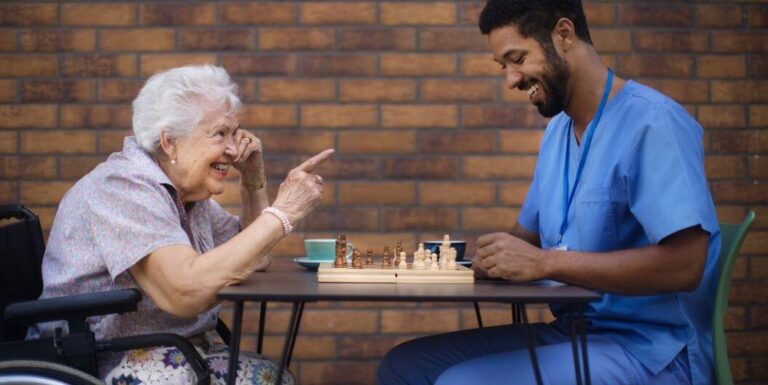
What Is Reminiscence Therapy and How Does It Help Your Loved One in Memory Care?
Reminiscence therapy is a memory care approach that encourages seniors with dementia to recall past experiences, memories, and meaningful life moments. It often uses familiar items like photos, music, or personal objects to help spark recognition and conversation. The goal is to support emotional connection, reduce anxiety, and create moments of comfort and engagement.
In memory care, reminiscence therapy is used as a gentle way to connect with residents through their personal history, helping them feel more grounded and understood.
What Is Reminiscence Therapy in Memory Care?
Reminiscence therapy is a structured activity that encourages seniors to talk about or reflect on past experiences. It is commonly used in memory care communities to help residents connect with long-term memories, which are often easier to access than recent ones for individuals with dementia.
This therapy may include guided conversations, looking through photo albums, listening to familiar songs, or handling meaningful objects from the past. These familiar triggers can help spark recognition and encourage positive interaction.
How Does Reminiscence Therapy Support Emotional Well-Being?
Reminiscence therapy can have a strong impact on emotional well-being because it focuses on positive and familiar memories. For many seniors with dementia, recalling past experiences can create feelings of comfort, identity, and joy.
These moments of recognition can help reduce feelings of confusion or anxiety and replace them with a sense of calm. Even short conversations about meaningful life events can help residents feel more connected to themselves and those around them.
What Tools Are Used in Reminiscence Therapy?
Different tools are used in reminiscence therapy to help trigger memories and encourage conversation. These tools are chosen based on what is meaningful and familiar to each resident.
Common examples include:
- Family photo albums
- Music from earlier decades
- Familiar household objects
- Personal keepsakes or mementos
- Life story prompts or memory books
These items help create natural opportunities for engagement without pressure or confusion.
How Does Memory Care Use Reminiscence Therapy Daily?
In memory care, reminiscence therapy is often built into daily routines and group activities. Caregivers may use it during one-on-one conversations or structured group sessions.
For example, a caregiver might play a familiar song during the afternoon or encourage residents to talk about childhood memories during a group activity. These moments are designed to feel natural and comforting rather than clinical or formal.
Over time, these repeated experiences can help create a sense of familiarity and routine.
Why Is Reminiscence Therapy Important for Seniors With Dementia?
Reminiscence therapy is important because it helps maintain a sense of identity and emotional connection. Even when short-term memory becomes more limited, long-term memories often remain accessible and meaningful.
By focusing on these memories, memory care teams can help residents feel more confident and engaged. It also creates opportunities for positive interaction, which can improve mood and reduce feelings of isolation.
How Does Reminiscence Therapy Strengthen Connections With Caregivers?
This therapy also helps strengthen relationships between residents and caregivers. When caregivers learn about a resident’s life story, they can provide more personalized and meaningful support.
These shared conversations help build trust and familiarity, which is especially important in memory care settings. Residents may feel more comfortable and secure when they recognize that caregivers understand their history and interests.
When Should You Consider Memory Care With Reminiscence Therapy?
You may want to consider memory care with programs like reminiscence therapy if a loved one is experiencing memory loss, confusion, or difficulty staying engaged in daily conversations. These therapies are designed to provide gentle stimulation and emotional support in a structured environment.
They can help improve quality of life by encouraging connection and reducing stress through familiar experiences.
Looking for Compassionate Care for Your Senior Loved One With Dementia or Alzheimer’s? Discover Caydance Memory Care Today
Reminiscence therapy is one of the many ways memory care supports emotional well-being and connection for seniors with dementia. Focusing on meaningful memories and familiar experiences, it helps residents feel more grounded and engaged in daily life.
At Caydance Memory Care, memory care programs are designed to support comfort, dignity, and meaningful connection through personalized approaches like reminiscence therapy.
If you are exploring memory care options, visiting in person is the best way to understand the environment and care approach. You can schedule a tour and see how reminiscence therapy and daily support come together in a caring community.